


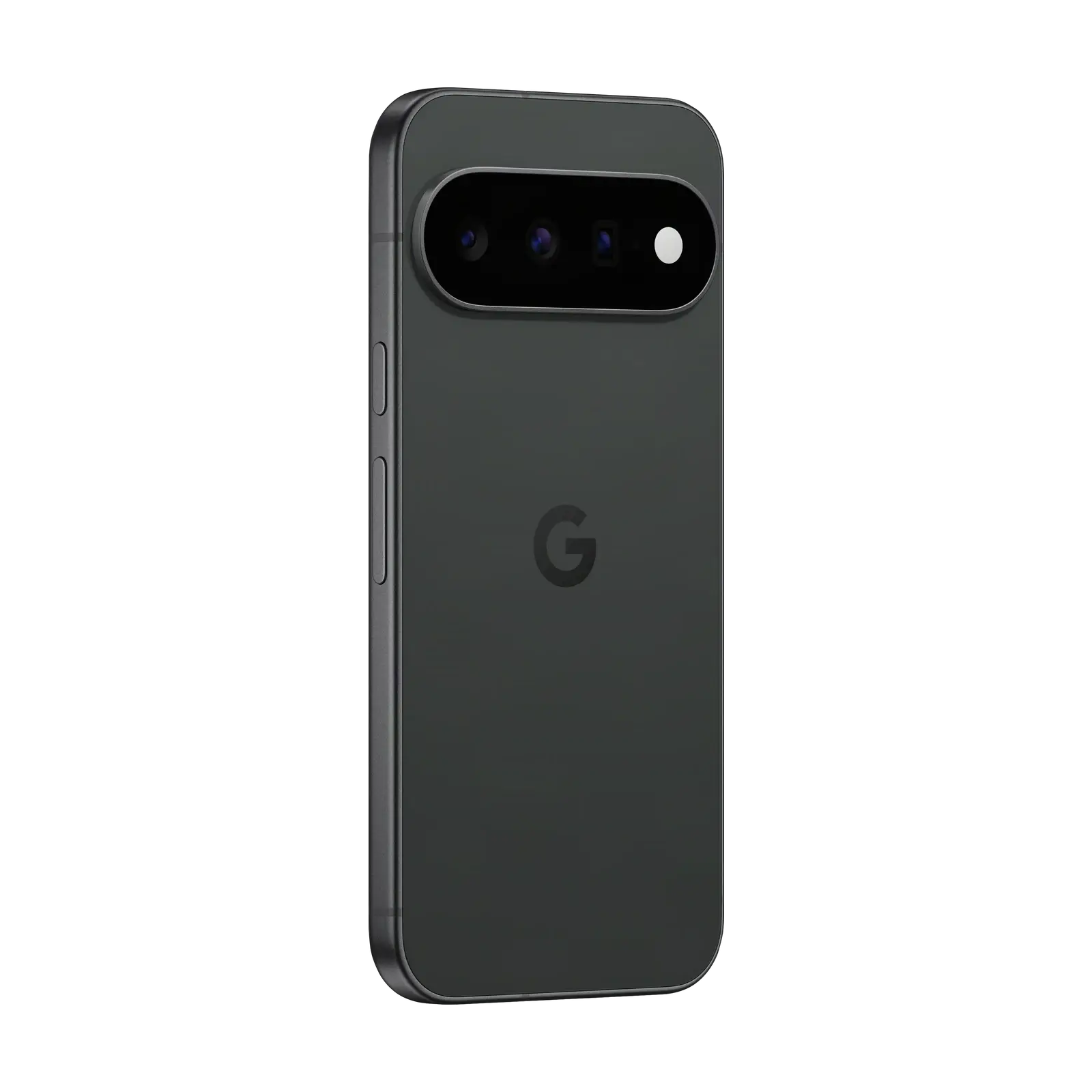
When the Pixel 11 can get GrapheneOS
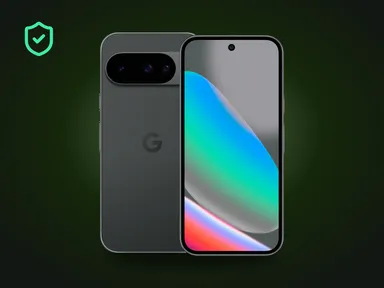
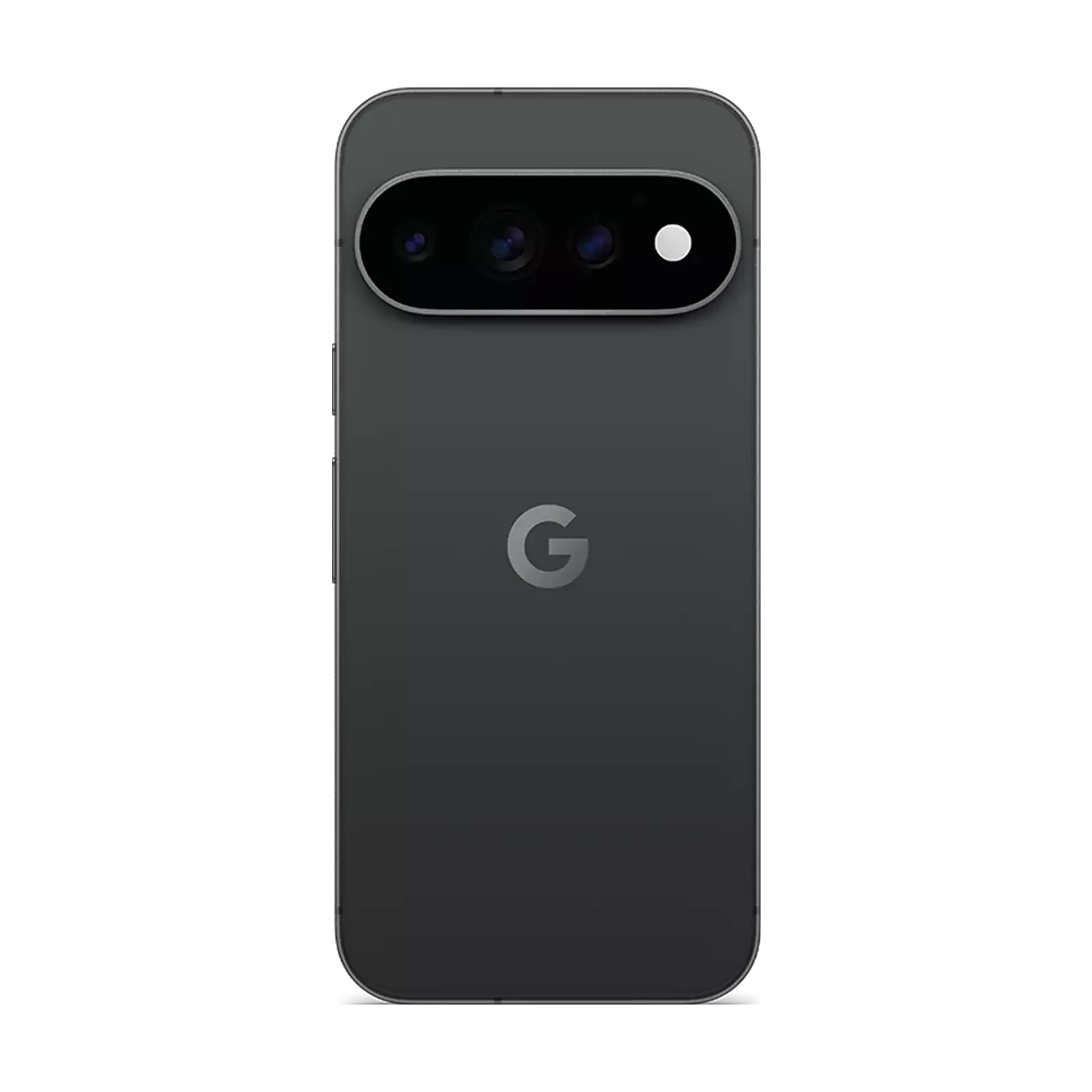
If Google’s December 2026 update for the Pixel 11 includes the security feature GrapheneOS requires, the GrapheneOS team hopes to add support for the phone after December. As soon as GrapheneOS is released for it, the Pixel 11 joins our range.
GrapheneOS relies on a security feature built into the phone’s processor that helps stop a common type of attack. Google launched the Pixel 11 with this feature switched off. A test version of Google’s December update includes early support for it, and the GrapheneOS team is waiting for the final release to confirm it works.
Technical details and the GrapheneOS team’s statements
GrapheneOS requires hardware memory tagging (MTE) on the devices it adds. The Pixel 11 has MTE in hardware and launched with it disabled in firmware. Android 17 QPR2 Beta 4 added preliminary firmware support while keeping MTE disabled for the operating system, even as a developer option. The project enabled it on that beta for testing: MTE passed every test, and the benchmarks showed fine performance.
Most of the port is already done. If Android 17 QPR2, due in December 2026, ships with working MTE, the project hopes to complete Pixel 11 support after that release.
What MTE does
MTE (Memory Tagging Extension) is a hardware security feature of the ARMv9 processor cores in Pixel phones from the Pixel 8 onward. GrapheneOS uses it by default to protect the operating system and compatible apps against attacks that exploit memory bugs. The processor and its firmware have to provide it; software alone cannot add it.
What the GrapheneOS project has said
-
“We’ll hopefully be able to add Pixel 11 series support after December 2026 if at least minimal MTE firmware support ships as part of Android 17 QPR2.”
-
“It has hardware level support for MTE but it shipped without firmware support for it. […] Android 17 QPR2 Beta launched for the Pixel 11 after we made our initial posts about this and added preliminary firmware support for MTE while keeping it fully disabled for the OS even as a developer option.”
-
“Android 17 QPR2 is being released in December and will hopefully provide what we need to support the Pixel 11 series. […] we can circle back and finish Pixel 11 support if they ship working MTE support.”
-
“Performance appears to be fine for MTE on the Pixel 11. […] It’s added back to firmware but still disabled in Android 17 QPR2 Beta 4 which was released after our initial thread about it. We used that to enable it and test it. It passes all our tests and other standard tests. We benchmarked it and the performance is fine.”
-
“MTE was unavailable in the initial Pixel 11 release but appears to be getting added back for Android 17 QPR2. We’ve tested it with Android 17 QPR2 Beta 4 which was released after our initial post and it appears to work fine based on all the tests we ran. It also performs well enough. If MTE ends up being fully functional in Android 17 QPR2 then we can support the Pixel 11.”
-
“We want to support the Pixel 11 but it launched without MTE support and we need to know it’s going to work before we can commit to officially supporting it. We already completed most of the port to the Pixel 11 and there isn’t a lot left to do to get experimental releases going for it.”
-
“Pixel 10 has been fully supported for almost a year. There’s no reason to wait for it. Pixel 11 support hasn’t been completed yet and got stalled due to MTE being disabled in the initial firmware for unclear reasons since MTE is a required hardware security feature for GrapheneOS.”
-
“We have good news about the Pixel 11. It still has at least bare minimum support for MTE at a hardware level. We think they removed most of the hardware acceleration from the CPU cache to save money. They ruined the performance so it ended up being fully disabled in firmware. It may still be usable.”
-
“We have a partial port of GrapheneOS to the Pixel 11 series after a week of work on it. We’re unable to complete the port due to lack of support for ARM hardware memory tagging in software, firmware and near certainly hardware. It appears Google cut an important security feature to save money.”